Trip to the Himalayas - Part II
January 18, 2020
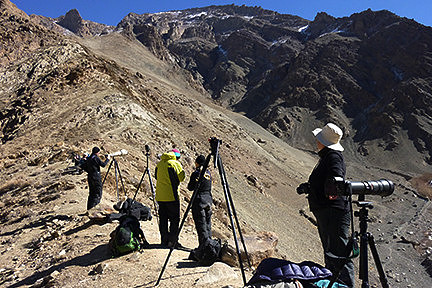
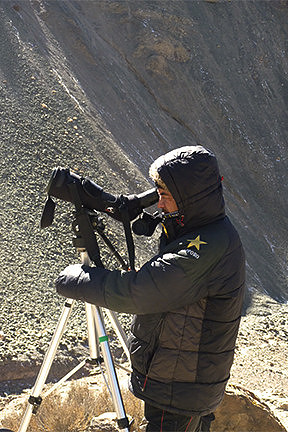
If you haven’t read Part I yet, please click here first. It was our first full day in Hemis National Park, Ladakh, India. We had just had an amazing morning up on the spotting knoll with some snow leopards. We had seen a mother and her nearly full-grown cub several times in the couple of hours we’d been up there. Once it was clear they wouldn’t show again, we had headed back down to camp for breakfast and to make plans for the day.
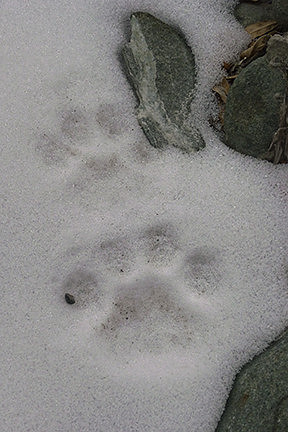
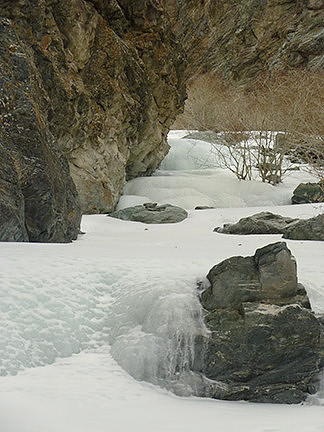
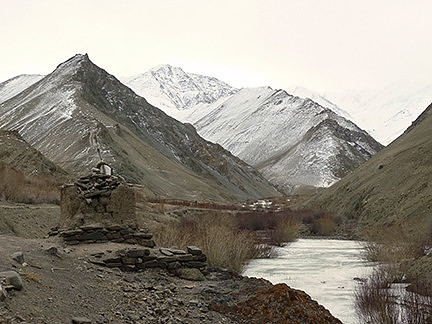
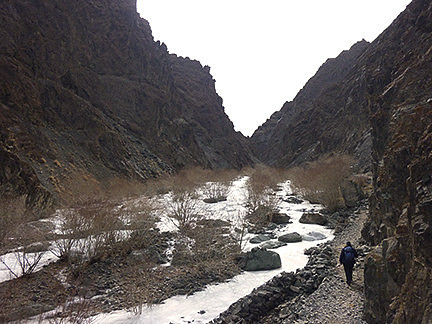
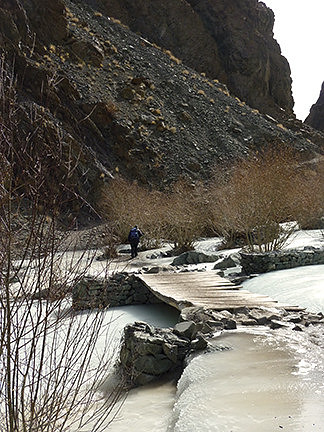
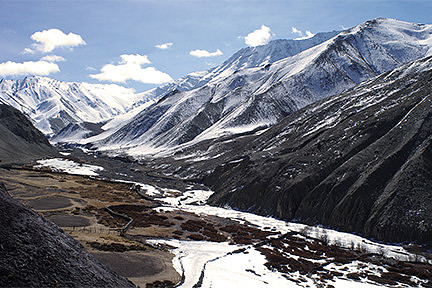
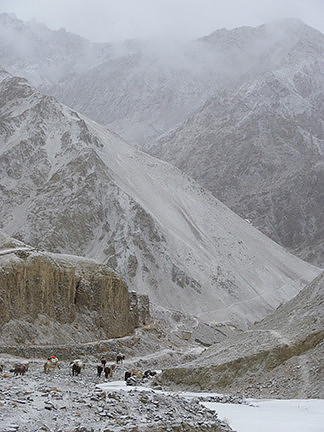
Jigmet informed us that they believed the snow leopards had settled in to rest for the day on the side of the mountain on the other side of the ridge. There was a junction of valleys near the village of Rumbak, and he believed we would have the possibility of spotting the two snow leopards while they slept. We packed up our gear and started the hike towards Rumbak. Jigmet noticed I was stopping a lot to rest, so he asked Angchuk to carry my backpack for me. I tried to tell them that I was fine, that I had trained carrying that weight, but they insisted. Even though the hiking bag was properly fitted so that I could comfortably carry the weight and didn’t notice it while hiking, I was still surprised by how much easier it was to walk without any weight. Shortly past all the camps, we headed down off the ‘road’ onto the frozen river. The others crossed to the other side and continued along the trail. Jigmet and Anna paused at the crossing, however, to look at some tracks. He pointed them out to Fiona and I, while Angchuk moved a bit further up the frozen river. The tracks were from snow leopards, only about a day old! Jigmet, Anna, and Fiona continued along the trail, while I opted to follow Angchuk on the river. I found the walking much easier on the crunchy ice than on the loose rocks and ups and downs of the trail. As we went, Angchuk pointed out the tracks for the mother and cub snow leopard, possibly the ones we’d seen this morning. It was so amazing to literally be walking in the footsteps of snow leopards!
Eventually, we rejoined the trail and traveled the last short distance to Rumbak Junction. Some folks from the BBC crew were heading up one of the mountains, and word came that the sleeping leopards had been spotted. Several members of our group wanted to head up there, but Jigmet was opposed to it. It was a trail that could be pretty dangerous, and the weather looked questionable. However, they could not be dissuaded and went anyways.
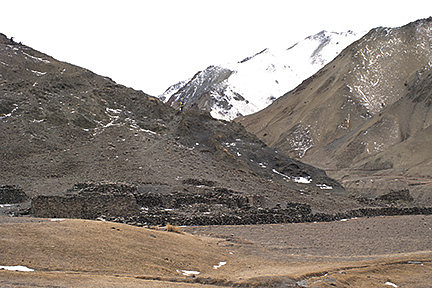
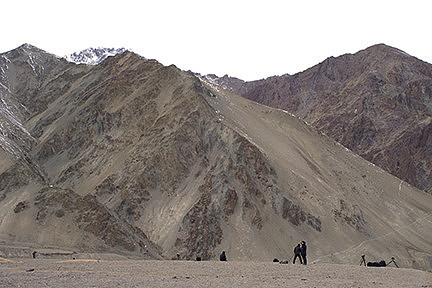
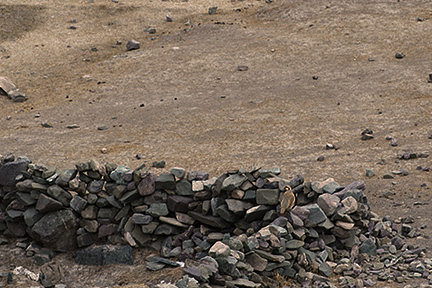
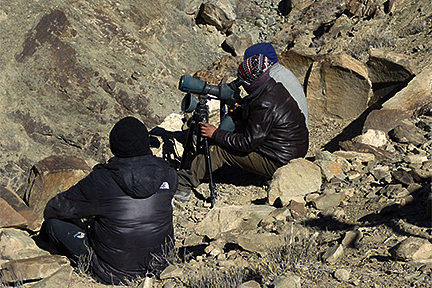
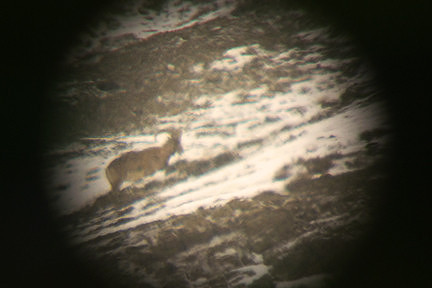
The rest of us remained in the valley, spread out in different spots scanning for wildlife. It was a pretty uneventful day. Some folks came by from camp to bring us lunch. We saw some Chukar birds amongst some rock walls. We saw a few blue sheep in the distance. But, that was it. The temperature dropped, and the wind picked up. The others returned just before the snow started up on the mountain. They had managed to catch a glimpse of the leopards, but it was an awkward angle, and they couldn’t get any photos.
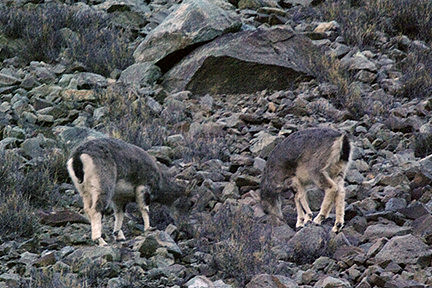
We packed up our gear, and Jigmet insisted once again that Angchuk take my bag. He zipped off down the trail, and I made my way slowly back to camp with Fiona and some of the others. Since Angchuk had my pack, I didn’t have my camera, and as the sun was setting, I had to make do with my phone for a couple of photos. We were making pretty good time, but I was getting a bit nervous, as he also had my headlamp. Luckily, we made it back to camp just in time before full dark settled in. Dinner was a festive fare that night as we talked about the wonderful day and the sightings we’d had. We were all looking forward to what else would come from our time there. Jigmet showed us a map of the area, pointing out where the leopards had been seen this morning, as well as where they’d ended up bedding down for the day. Then, we discussed tentative game plans for the rest of our stay. We fell into a bit of a routine for the next several days. We’d wake up early in the morning with ‘wake-up tea’ served at our tents shortly after 6am. Then, we’d climb up the spotting knoll to scan for wildlife, hoping to see some snow leopards once more. While we had luck seeing Bharal, Golden Eagles, and Himalayan Snowcock, we never did see any more snow leopards. Around 8:30am, we’d climb back down, returning to camp for breakfast. After breakfast, Jigmet would lead our group up one of the nearby valleys to other spotting areas, a different valley each day.
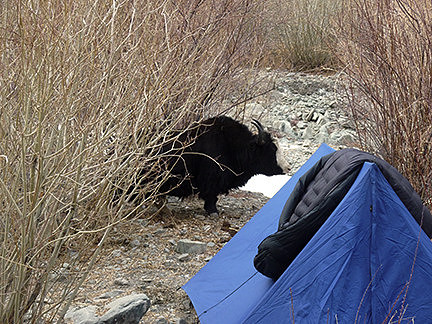
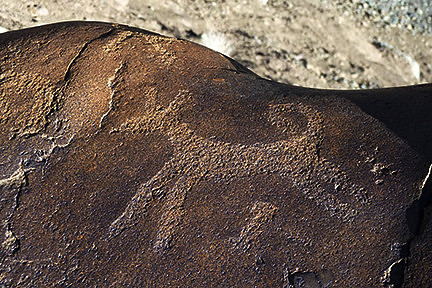
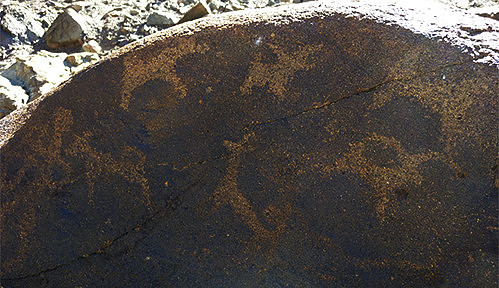
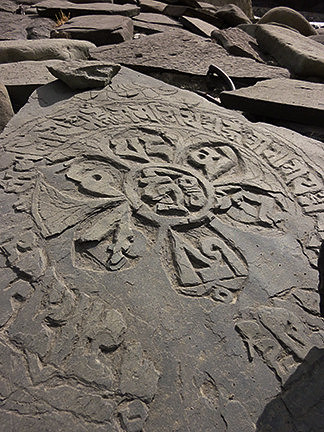
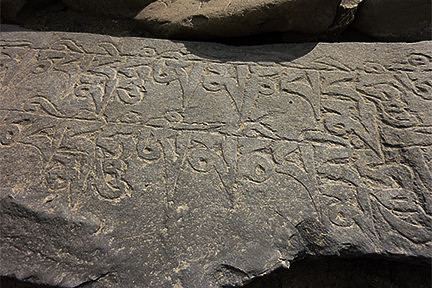
I only went with them once. I was having some pain in one of my legs and didn’t want to potentially make things worse. In addition, I was having a really hard time with the cold, which was surprising and disheartening. All my training had been for active hiking in cold weather. My clothing was sufficient for that. However, that’s not what this trip actually turned out to be like. We were only walking short distances, then sitting for hours and hours. Since I’m very cold-natured, the walks weren’t enough to really warm me up, and my clothes weren’t warm enough for me to get or stay warm for hours on end. The temperatures weren’t that bad, maybe in the 20s and 30s during the day, but the altitude and the fact that we were sleeping in unheated tents combined to make it feel so much colder. So, I spent most days in camp in the sun or in the heated dining tent, taking photos of the resident yak and the passing donkeys on occasion. The one day I went with the group, we went to a knoll just beyond our morning spotting knoll. There was a rock on the trail that was covered in ancient petroglyphs. Over the course of that afternoon, we all took turns to head down to check out the rock and its carvings, which were really cool. I always make a point of visiting petroglyph and pictograph sites when I’m aware of them, so that was a nice treat.
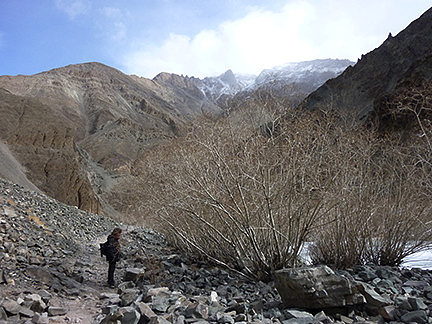
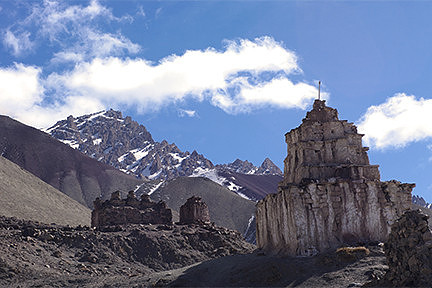
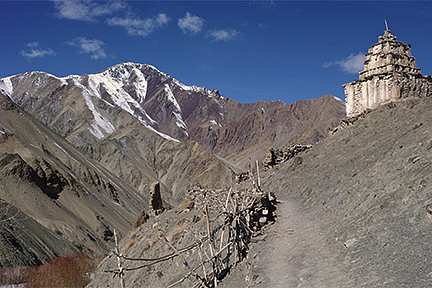
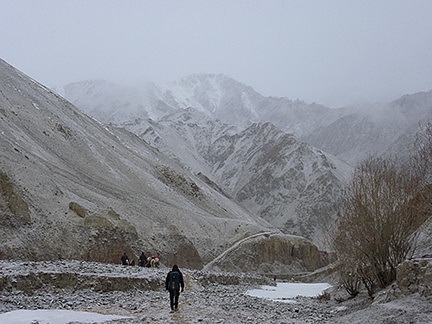
Over the course of that week, I was also learning just how unprepared I’d been for this trip in terms of photography. Anna, Claus, and Arturo were all big into photography and videography. They would ask me questions about my gear that I couldn’t answer, such as whether or not my camera was full frame or APS-C. Additionally, I was having issues with my tripod. Claus made some adjustments for me, and Anna gave me some pointers on how to use it to make things easier so I wouldn’t be fighting with it so much. All three gave me additional pointers throughout the week, and I was really grateful for their help. It definitely made me realize that I’d have to spend some time learning more about the photography side of things when I returned home. After a week of camping, it was time to relocate. Originally, the tour involved one night in a homestay, but it ended up being changed to two nights. We packed up all our gear and headed out, following the same route to Rumbak Junction we’d taken the day of the snow leopard sighting. This time, I walked the entire trail with Fiona, rather than walking on the frozen river. I had my little point and shoot camera and took several photos along the way.
When we reached Rumbak Junction, we stopped for lunch. The rest of the group was going to head up one of the valleys, but Fiona and I opted to hang back and go on to Rumbak early. Namgil acted as our guide, scanning for wildlife and telling us a little bit about the culture and history of the area. When we reached the village, he checked us into our individual homestays before we met up again outside. We headed out to one of the fields, where he set up a scope, and we spent the rest of the afternoon scanning for wildlife.
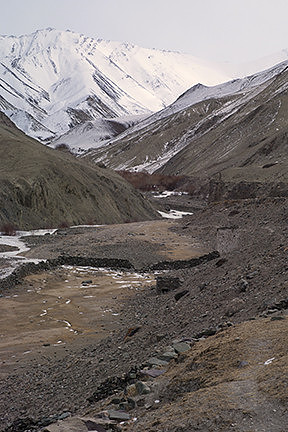
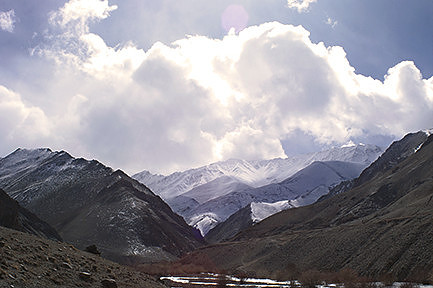
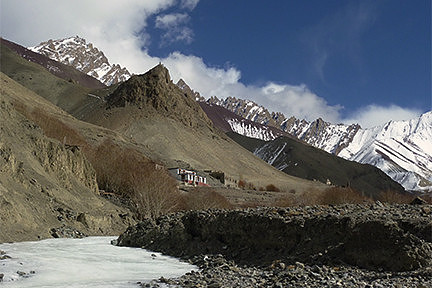
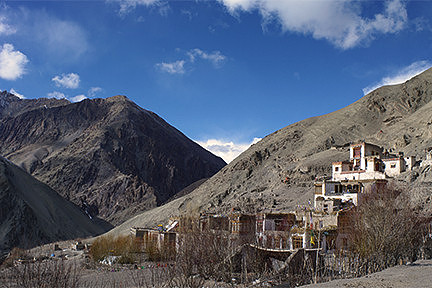
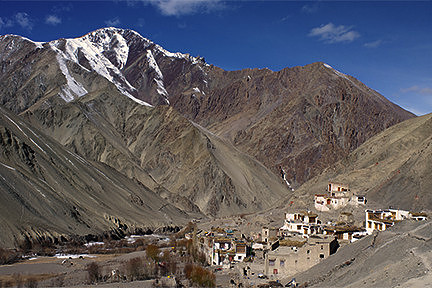
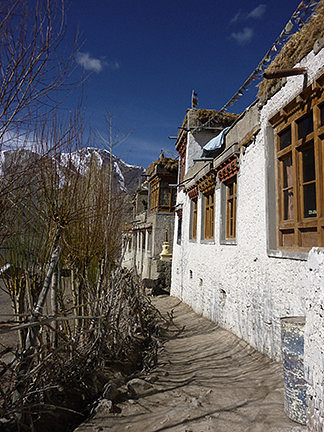
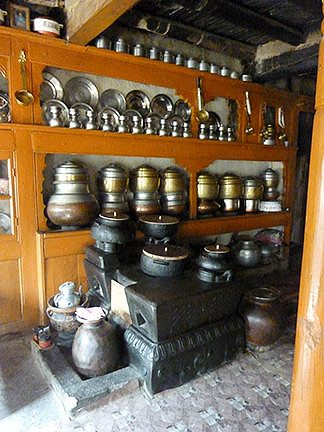
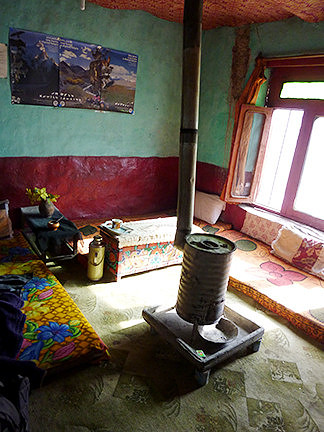
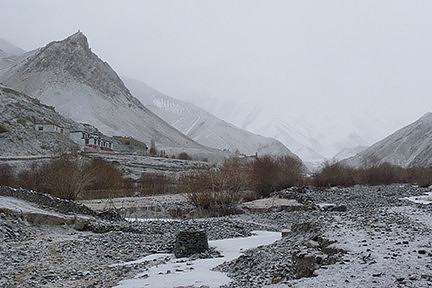
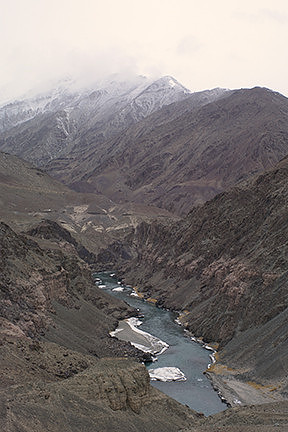
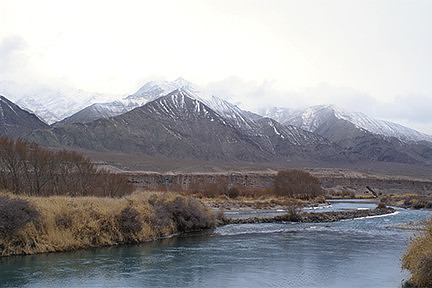
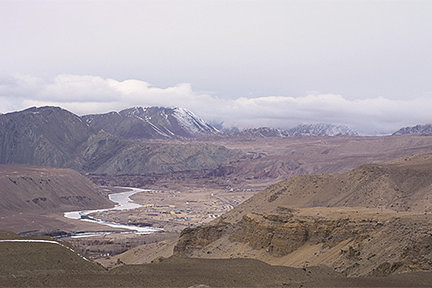
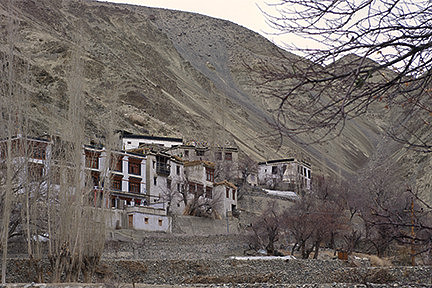
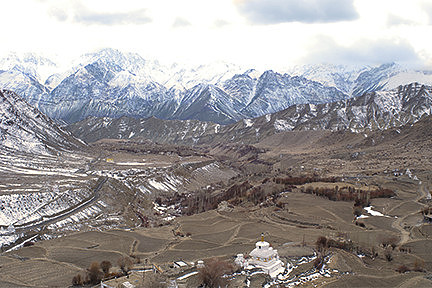
Once the rest of the group arrived and settled in, it was time for dinner. We were all gathering together at Fiona’s homestay, where the women of the village had prepared our meal. The food was delicious, and the company very enjoyable. Jigmet regaled us with stories about the people and culture of Ladakh. It was all very interesting and a wonderful evening. Back at my homestay, it felt wonderful to be inside. The mattresses were comfortable, and I had blankets to drape over my sleeping bag. The room was heated by a small traditional stove set up in the very center; they used wood as the primary fuel source, but they might possibly have used cow and yak dung, as well. It smoked a lot when they first got it going, but it definitely warmed the room. I thanked my hosts and went to sleep shortly thereafter. The following day, most of the group was heading further down the valley the village was located in. A few of us opted to stay behind. I decided to just take a leisurely walk partway down the trail to get some landscape photos of the village and of the valley and mountains beyond. I left my hiking bag and all my gear back in my room and only took my little camera bag. I stopped a lot, but that was the great thing about being on my own. I didn’t have a destination to reach or a time to meet, so I was able to relax and really take it all in. I didn’t go far in the end, but I think it was probably one of the best days of the entire trip.
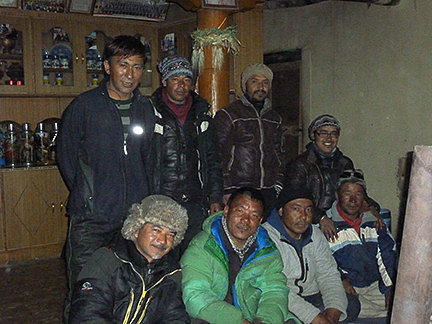
I eventually returned to the village and had lunch with Fiona at her homestay. Afterwards, we headed out into the spotting field to relax in the sun. As others started to return, they joined us and set up their scopes to scan for wildlife. The sun set behind the mountains pretty early, so it wasn’t long before it was time to head inside for dinner. Once again, we were all eating together in Fiona’s homestay. This time, dinner was prepared by our folks back at camp and brought all the way to the village. Almost all of our camp staff, guides, and porters joined us, as we celebrated our last night together and successfully seeing some snow leopards. It was another wonderful evening.
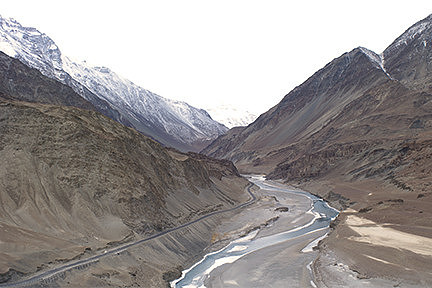
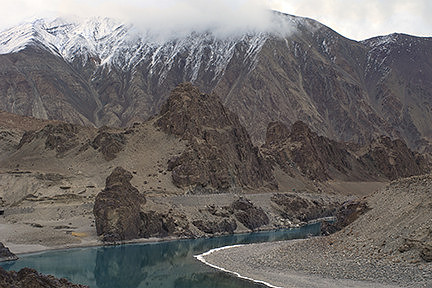
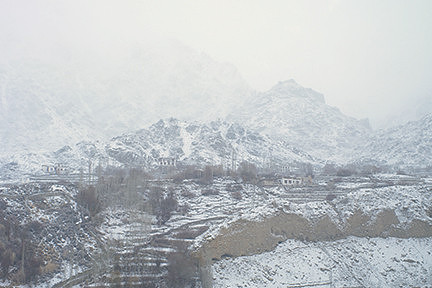
The following morning, a few of us left very early. Gregor had left to go back to Leh a few days previously. John, Walter, Jenn, and I were leaving to get a guide and rental car to take us further into Ladakh to look for more wildlife. The rest were going to slowly make their way back to camp and eventually return to Leh in the evening. It had snowed lightly overnight, transforming how the landscape looked. I took what photos I could with my point and shoot camera as we hiked back, but the battery soon died from the cold. We stopped for a few minutes when we reached camp for some tea, then continued on to Zingchen where we met our car and driver. We left Hemis National Park behind, driving west out of Leh, heading into brand new territory.
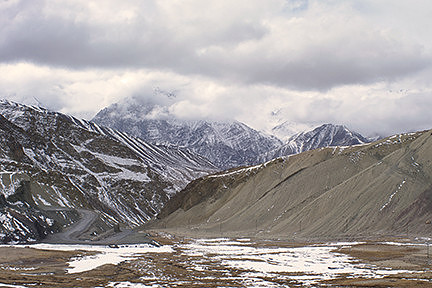
As we followed the road towards the border with Pakistan, I sat back and enjoyed what I could of the view. Luckily, it wasn’t snowing, so the roads were clear, and the drive was quite enjoyable. However, the clouds were still pretty low, so we couldn’t see the tops of many of the mountains. We did manage to see some Urial on a few lower ridges along the way, though. Eventually, our driver pulled over to ask us to make a decision. The Asiatic Ibex in Uley that were ultimately what we’d been hoping to find were at an altitude that would put them into the cloud layer, essentially guaranteeing we likely wouldn’t see them. We could continue on and try anyway, or we could detour to his village of Tingmosgang and the surrounding area. Apparently, a snow leopard had been spotted on the slopes above his village just that morning.
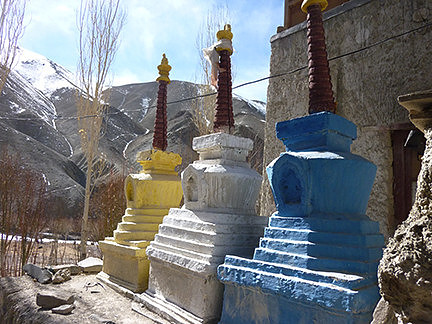
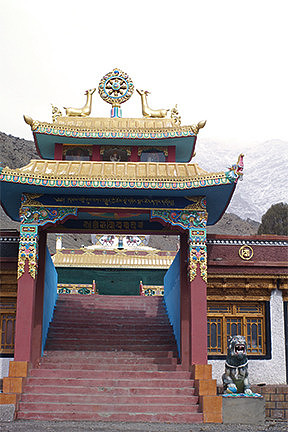
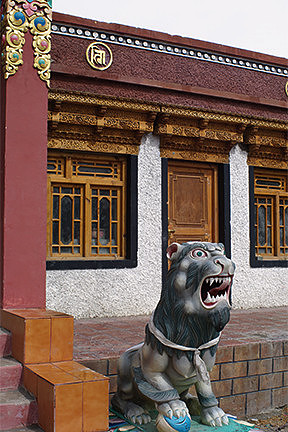
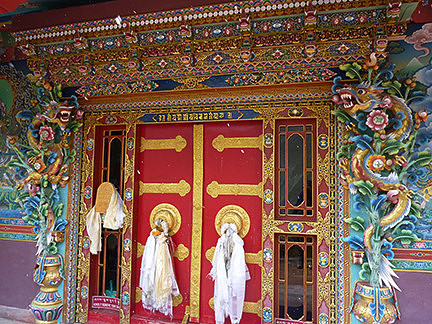
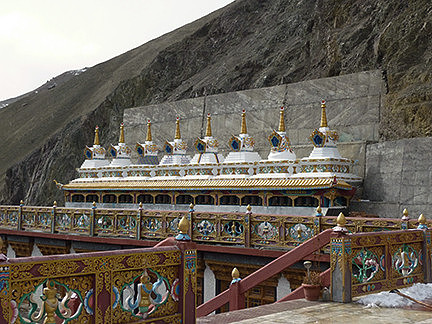
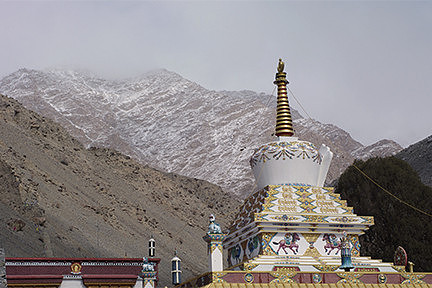
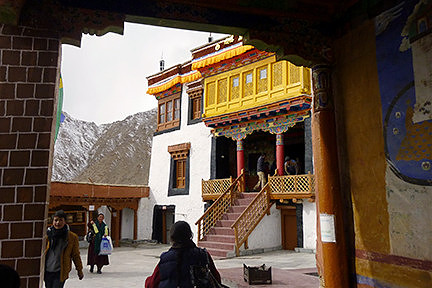
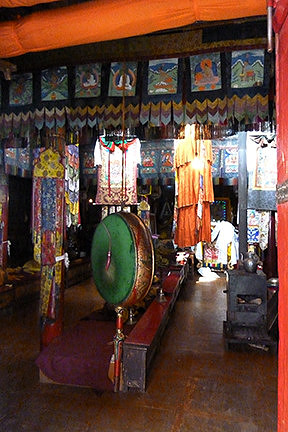
After a quick discussion, we all voted to try our luck with the snow leopard at his village. We continued on and soon turned off to head into the valley where his village was located. We drove through part of the village and up into the mountains to the Tserkamo Monastery, the highest point we could reach by car. While the others scanned the surrounding slopes for the snow leopard, I wandered around the monastery, getting photos of the beautiful décor. I hadn’t brought my big lens or tripod with me and didn’t have a scope or binoculars, so I wasn’t any help in the scanning department.
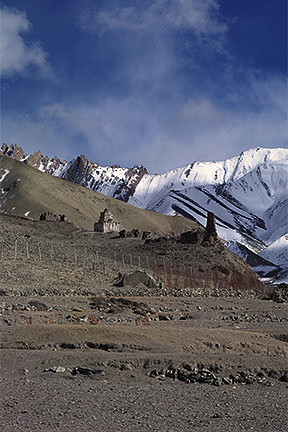
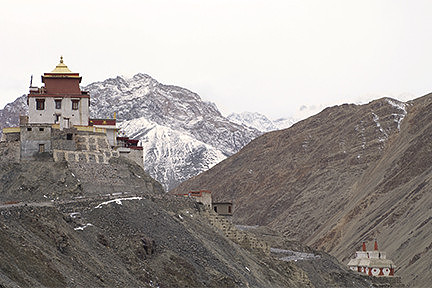
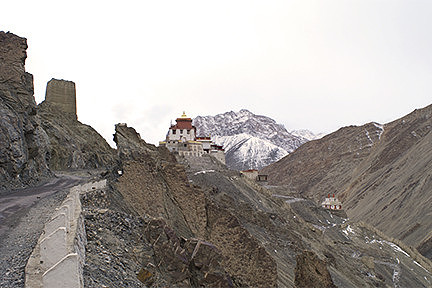
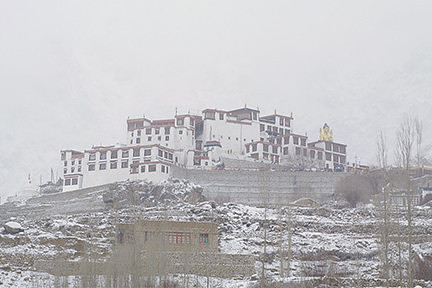
It was a beautiful location and very peaceful. We were the only ones there, and I could have easily stayed for hours. But, soon, it was time to move on. We headed down to another location, this time to Tingmosgang Gompa, situated on top of a ridge overlooking the village. The others spent a few minutes scanning while I ran a bit back up the road to get some photos of the monastery from a distance.
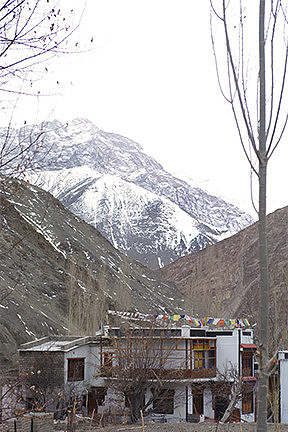
Then, we headed down into the village itself. We went into one of the fields to do some scanning, and John let me try out his binoculars. They were really cool but far too heavy for me. I couldn’t hold them steady enough to be able to really see anything, so I quickly handed them back. I took some photos of the village after that.
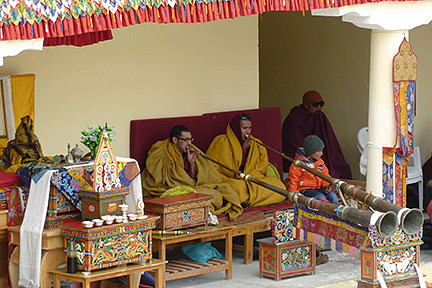
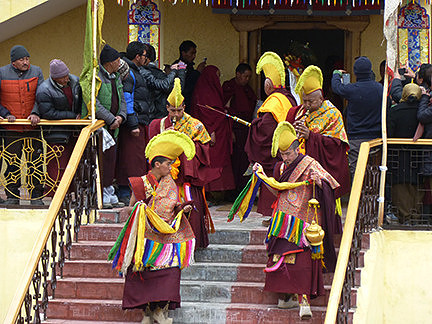
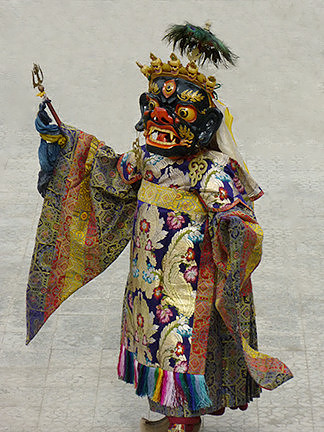
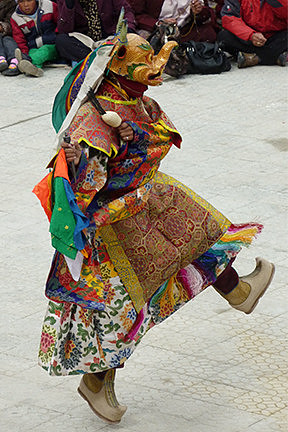
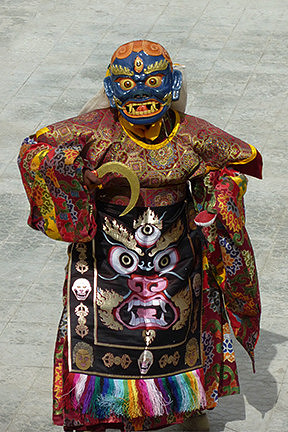
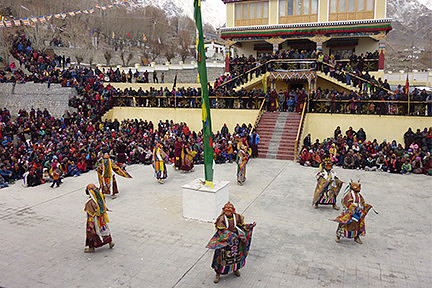
We didn’t stay in the field long before our guide was ushering us back to the car. It was lunchtime, and he had a special surprise for us. A few minutes later, we stopped outside a house just below the monastery. This was his home, and he and his wife were going to host us for lunch. It was an honor to be invited into their home and meet his family. We spent probably about an hour there, enjoying the wonderful food and learning more about their lives, their home and village, and their culture. After lunch, he drove us to one last location, a small grove of trees above his village. We scanned for the snow leopard but unfortunately never spotted it. Eventually, it was time to start heading back to Leh to meet up with the rest of our group once more. They, too, had not had any luck seeing any snow leopards, though apparently another group did that day. The next day was our last full day in Ladakh. It was the day of the Dosmoche Festival. This was a ritual dance festival held every February in three locations in Ladakh – Leh Palace, Likir Monastery, and Diskit Monastery. The dances were meant to provide protection from evil spirits and catastrophes and to bring good luck and blessings to everyone. The festival was started in Ladakh several hundred years ago based on ceremonies held in Lhasa, Tibet. We were given the choice of whether to attend the festival at Likir Monastery or at Leh Palace. John, Fiona, and I all chose to go to Likir Monastery for the chance to explore the monastery afterwards and see a bit more of Ladakh. The others chose to remain in Leh. We headed out quite early and found ourselves retracing our route from the day before. Eventually, we turned off the main road, sooner than we had on the way to Tingmosgang. It was cloudy once again, so we hadn’t been able to see much more than before. By the time we arrived at the monastery, it was actually snowing, though it turned out to only be flurries off and on the whole time we were there.
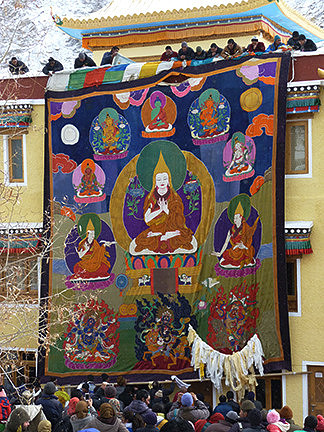
We arrived early and made our way to the ‘new’ monastery, built just the year before. The courtyard in this section was much larger than in the old section and would make the festivities so much more enjoyable. The crowd was already gathering, and we got to witness the unveiling of the Thanka. This was a giant tapestry that was unfurled from the roof and reached down to the tops of the doorways three floors below! It was over 500 years old and was only brought out on special occasions and displayed for only 20 minutes at a time in order to protect it. It was quite impressive.
After that, we headed into a small temple room to view some holy relics before taking our seats on the balcony outside. Slowly, the crowd moved into and all around the courtyard, leaving an open area just in front of us for the dancers. Over the next few hours, many groups of monks came out in different costumes performing dances. Sometimes, it was two of them at a time, while other times, it was small groups of them. A couple of times, there were very special ‘protectors’ that came out and danced alone. It was very interesting to watch, and the air was one of happiness. Everyone seemed to be enjoying themselves, especially the kids. One of the dances even entailed some young monks having candy hidden in their costumes that would drop out occasionally. Kids would race in from the crowd to grab the pieces before the dancers ‘noticed’, and the crowd laughed at the antics of the two groups. I really had a great time.
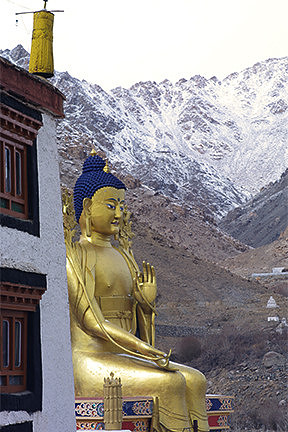
When it was over, we headed up to the ‘old’ monastery to explore for a bit. Once again, my point and shoot camera’s battery died on me, but I managed a couple of photos before it happened. After seeing the 75ft tall statue of Buddha up close and getting some shots of the mountain views from the roof, it was time to head out.
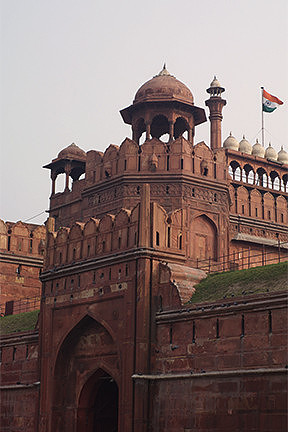
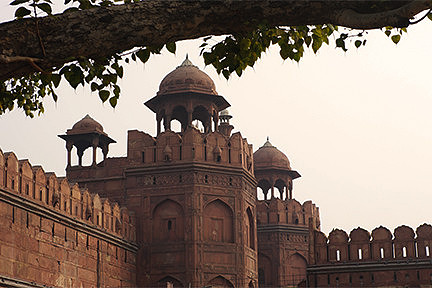
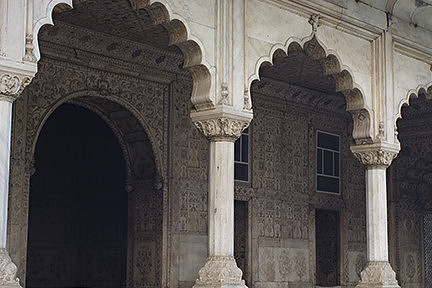
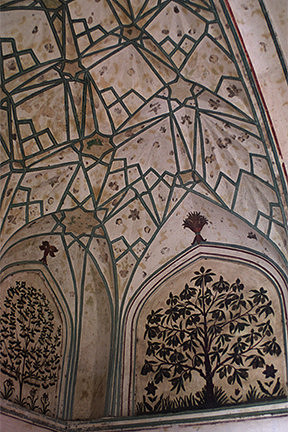
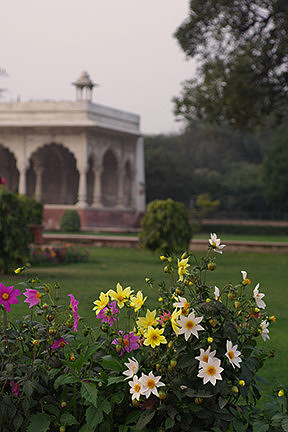
Back in Leh, John, Fiona, and I walked down to the market to do a little shopping. It was the first time I’d been able to actually explore the city at all, and I was grateful for their company. It was much bigger than I’d thought with a warren of twisting roads branching here and there. I likely would have gotten lost, had I been on my own. That evening was our final dinner together as a group. We would be flying back to Delhi in the morning and all dispersing from there. It was a really enjoyable meal, though bittersweet that it was coming to an end. We weren’t able to spend as much time hanging out as we had on previous occasions. The city and the hotel were packed with visitors from all over Ladakh because of the festival, so we couldn’t linger and enjoy the company, unfortunately. The following day, we had an uneventful flight back to Delhi. Fiona and I decided to do a little sightseeing when we got back, as neither of us were flying out that night, and we hadn’t had a chance to do anything prior to going up to Ladakh. After dropping everything in my room and cleaning up, I met her down in the lobby. We headed outside and hailed a Tuk-tuk. The driver didn’t speak any English, but eventually we made it to our destination – the Red Fort. The Red Fort was massive, covering an area of approximately 250 acres. The walls alone were over a mile in length. It had been built in the early to mid-1600s by the Mughal Empire and was now a Unesco World Heritage Site. I hadn’t realized before arriving that it was actually one of the most popular tourist attractions in all of Delhi. It was teeming with people, both inside and out, though the spacious grounds helped to reduce the feeling of overcrowding. We spent a few hours wandering around the fort, but there was no way we were going to see it all. It was a fascinating place to explore, however, and I really enjoyed walking through the grounds and some of the buildings, seeing the beautiful gardens and architecture and reading about the history of the place.
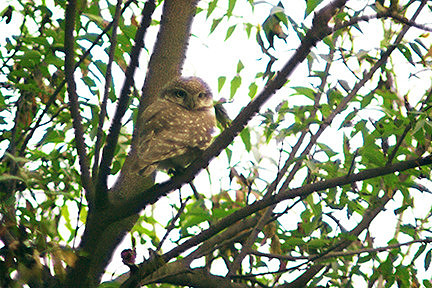
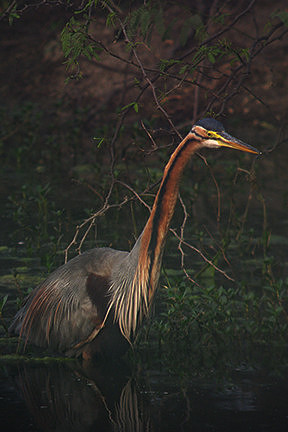
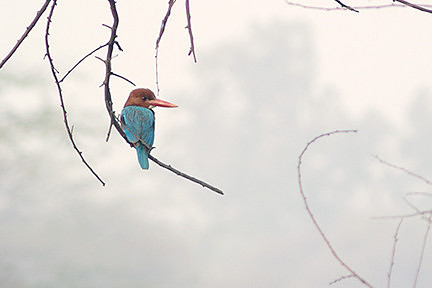
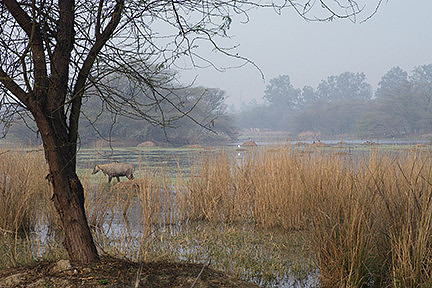
The following morning, I met John bright and early for breakfast. He had hired a car and guide to spend the day birding and had invited me to come along. I didn’t bring my tripod and big lens once again, as I didn’t want to slow us down at all or potentially get in the way. So, I just brought my small lens and teleconverter and hoped to see some interesting sights. We headed out to Sultanpur National Park and spent several hours walking the grounds looking for birds. It was an amazing experience. I wrote down every species that John and our guide, Sanjay, pointed out. They were both so nice and so knowledgeable, happy to share everything they could with me. At one point, John set up his scope on his tripod to get a better look at a heron. He let me look through and told me to get up close and really push the eyepiece to my eye so I could see better. The clarity was amazing! That heron looked spectacular, and I instantly wished I could see animals that well with my camera and lens. He even let me get a photo through the scope, and it came out so much better than when I’d tried to do the same with Jenn’s scope back in Ladakh! The highlights at the park for me were the Spotted Owlets, the White-throated Kingfisher, that Purple Heron, and the Nilgai. It was such an awesome morning!
After we left the national park, we continued our birding expedition, driving to different areas that Sanjay knew were good locations. It was really interesting to see another side of India, away from the tourists and the crowds. We drove past various temples, through small rural villages, into fields, canals, and woodlands. I continued keeping a record of all the birds that they pointed out, and overall, it was a really enjoyable day. In total, I ended up seeing 91 new bird species and 2 new mammal species, not bad for my first time birding. The next day was my last day in India. I decided to stay in the hotel and simply spend the day relaxing. Everyone else had traveled on by then, and my flight home was in the middle of the following night. All in all, it was a really great trip. I had actually managed to see a couple of snow leopards in the wild! The weather had been better than it could have been, even if I had had a hard time with the cold. I hadn’t done as much hiking as I’d expected, but it had still been a lot of fun, and it’d been way easier and safer than I’d feared, which was wonderful. I hadn’t gotten as many photos as I had hoped, but I learned a lot from both what I did and did not get to capture. Like all trips, the trials and tribulations might have made things difficult in the moment, but they were part of what has become a cherished memory and helped teach me so many things in the intervening years. It was definitely the trip of a lifetime, and I’m so happy it turned out the way it did. I loved my time in Ladakh and hope to return again some day, not only for another chance to look for snow leopards but also to experience more of the landscape and the culture of that wonderful place. ~ ~ ~ ~ ~ ~ ~ ~ Click here to see more photos from my trip to India. |