Going Caving
January 17, 2026
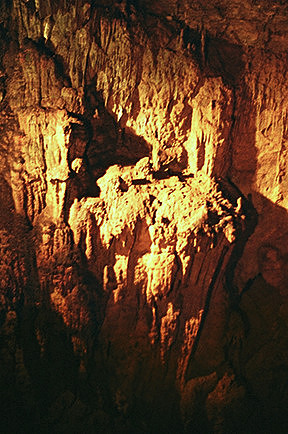
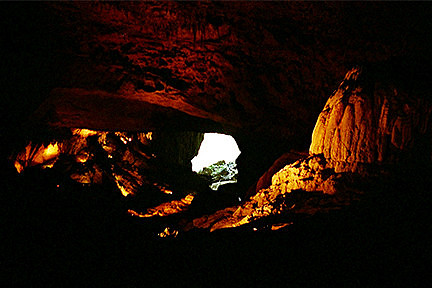
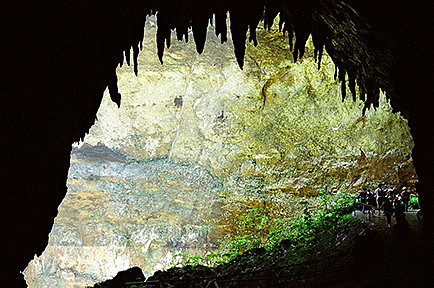
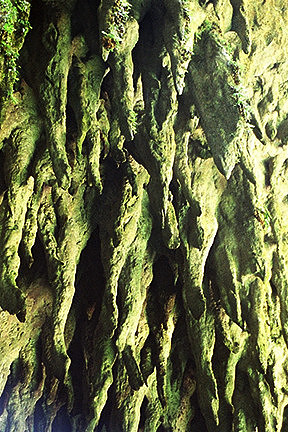
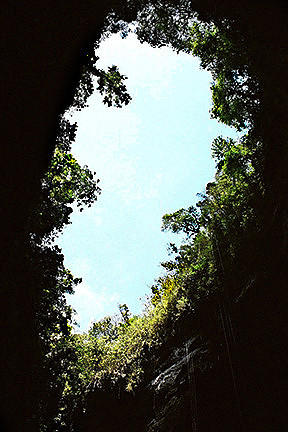
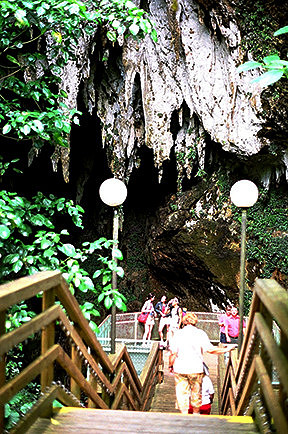
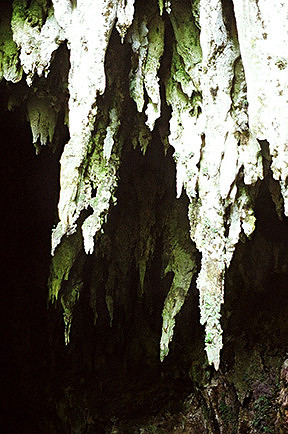
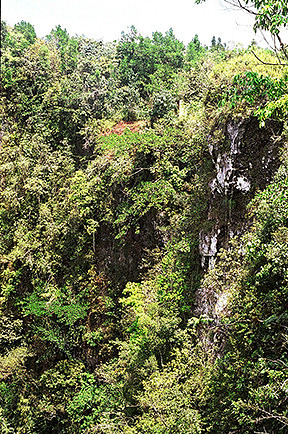
I have always been fascinated with caves. When I was a kid, my family visited some of the tourist caves in Virginia on road trips down to Florida. I remember how amazed I was at all the wonderful rock formations that could be found in those strange environments. I loved reading books and watching videos that had anything to do with the subterranean world. As I grew older, whenever I planned a trip, I did research to see if there were any caves in the area I could see. The first cave I visited as an adult was on my trip to Puerto Rico. This was the Rio Camuy Cave complex. This was vastly different from anything I had experienced before. The cave systems I had visited in the past weren’t evident from the surface. Other than signage and a visitor center, you would have no way of knowing there were caverns beneath your feet. The complex in Puerto Rico, however, had many different caves, some of which could actually be seen from above. I started with Cueva Clara. This large cave was somewhat similar to my previous experiences of show caves. I headed inside and walked amongst the stalactites and stalagmites, taking photos when possible. Then, it started to change. The path led to a jagged cave mouth entrance with sunlight beaming down onto lush green vegetation. Water was seeping out of the rock face below the open sky, and we were encouraged to take a drink of the fresh, naturally filtered water while enjoying the sounds of the jungle above. This portion of the cave was the Sumidero de Empalme.
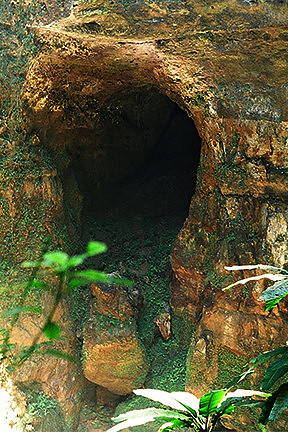
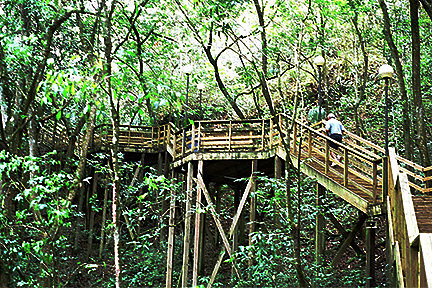
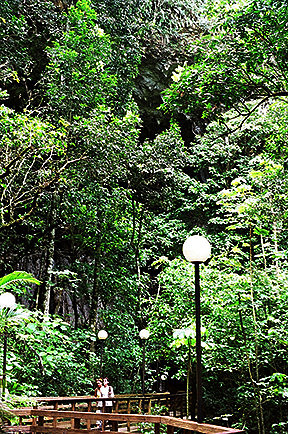
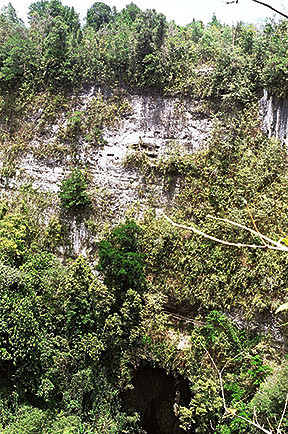
I had never seen anything like it before. It was a sinkhole, something not common in New England. Many of the caves in the Rio Camuy complex were actually sinkholes. Later that day, as the tour continued, I was able to visit two more – Sumidero de Espiral and Sumidero Tres Pueblos. Espiral involved walking down a lot of steps at the base of a cliff. The vegetation was thick on either side of the path, but there was still open sky above. At the bottom of the stairs, we could peer into the depths of a small cave mouth filled with jagged rocks, but we could not enter.
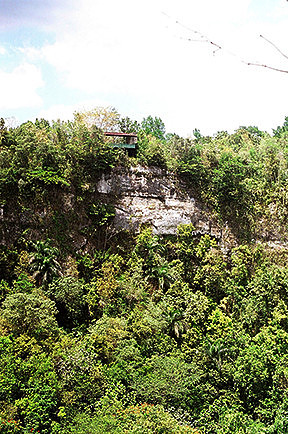
Tres Pueblos was different from either of the other two. There was a huge circular hole in the ground. We had a viewing platform in one location on the rim. You could look across and see other viewing platforms along the rim. This was the mouth of a huge sinkhole, seen from above. It was so large, the borders of the three towns met inside, thus each town had its own viewing platform. Looking down into the sinkhole, all I could see was vegetation. The Camuy River flowed through the vegetation below, but it was completely hidden from view.
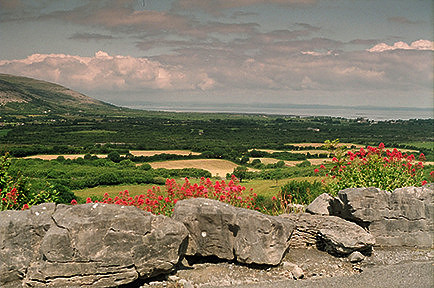
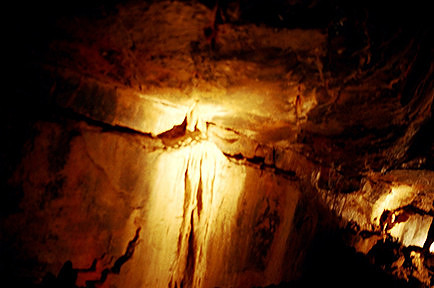
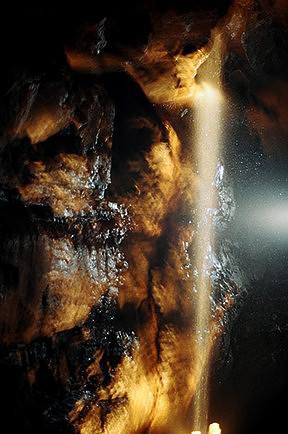
Puerto Rico’s caves were really an eye-opening experience. They might not have been the most beautiful or the most diverse in terms of rock formations. But, they were very educational, and it was a lot of fun to experience different types of caves. Plus, they were my first cave experience outside the US, so they’ll always hold a special place in my heart. My next caving experience was later that same year on my trip to Ireland. My brother and I were spending most of our time in the country based in the Galway area. When I found out about some caves in the area, I knew we had to make it part of our itinerary. We spent one day doing a ‘southern’ drive. On that day, we visited Dunguaire Castle, Aillwee Cave, Poulnabrone Dolman, and the Cliffs of Moher. Aillwee Cave was located in the Burren and was perched high on a mountainside above Galway Bay. It wasn’t very large but was a fun little tour of a cave system across the Atlantic. I don’t remember there being a large array of formations, but what was there was still interesting to see. The feature that stood out most to me was the waterfall. This was the first time I’d really seen flowing water within a cave. All the other caves were formed by flowing water, as well, but the only water I’d ever seen had been small still pools or that tiny seepage in Puerto Rico.
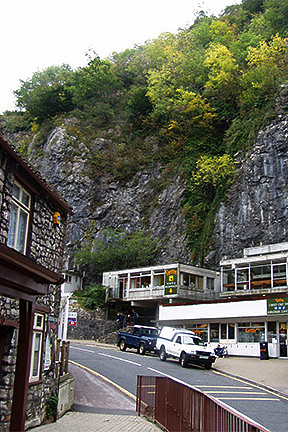
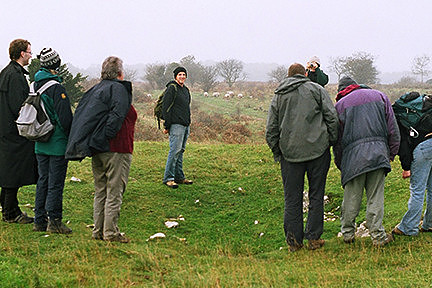
A couple of years later, I had a few more caving experiences. These were all very short and very different, as they were part of my studies in the UK for my Masters in Landscape Archaeology. The first cave we visited was Gough’s Cave in Cheddar Gorge. We only went into the entrance area to see where the remains of ‘Cheddar Man’, the oldest complete human skeleton from Britain, were found.
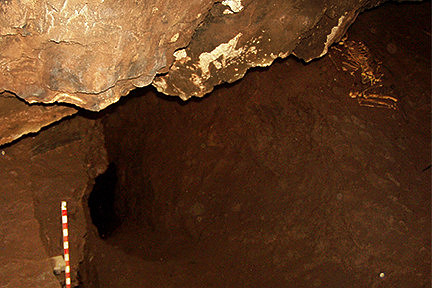
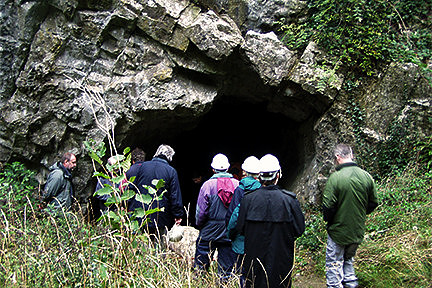
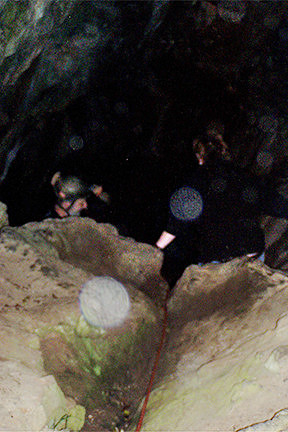
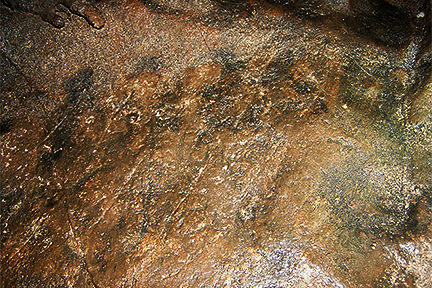
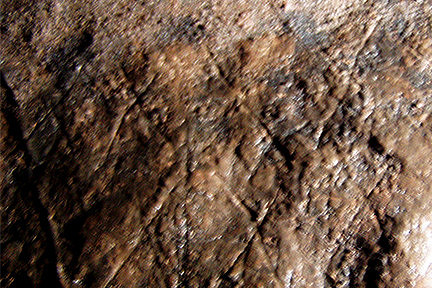
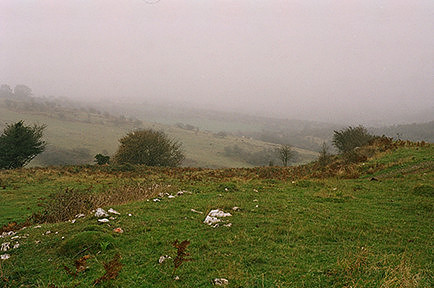
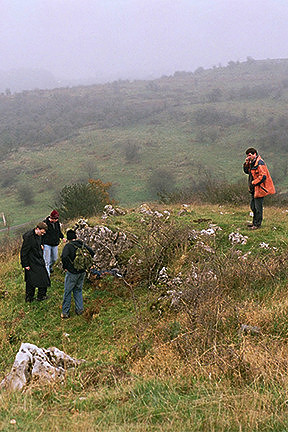
From there, we moved on to Aveline’s Hole at Burrington Combe, just outside Cheddar. This cave was the site of the largest Mesolithic cemetery in Britain. We were able to go inside, but only a few people at a time. It was very damp and slippery and dark. This wasn’t a show cave for the public but rather an archaeological site. Inside, the archaeologists showed us carvings on the wall, inscribed X’s or crosses dating from the Mesolithic period, in the time just after the Ice Age.
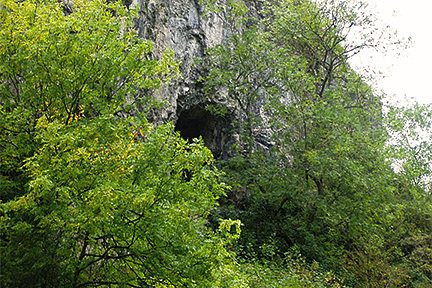
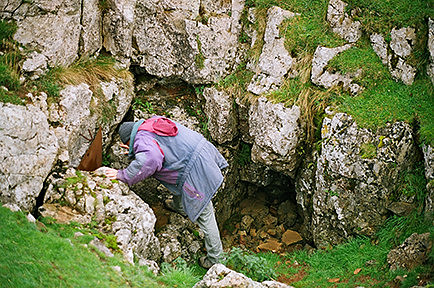
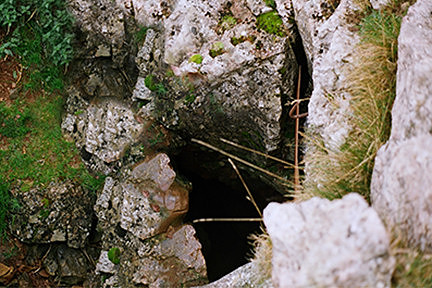
Our final stop of the day was Totty Pot Cave, also just outside Cheddar. We did not enter this cave, as the only access was via a vertical drop through a hole in the ground. This small cave was also an archaeological site, not a show cave, and was discovered to be the burial place of an individual from the Mesolithic period.
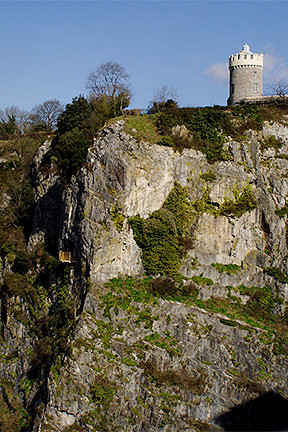
The following spring, while still in the UK working on my Masters, I visited another cave, this time on my own as a tourist. I was living in Bristol and spent a day exploring the area around Avon Gorge and the Clifton Suspension Bridge. On the side of the gorge, partway down the cliff face was a viewing platform. This was the old entrance to the Giant’s Cave. When the tunnel was constructed down from the Clifton Observatory to reach the cave, they built the platform as well.
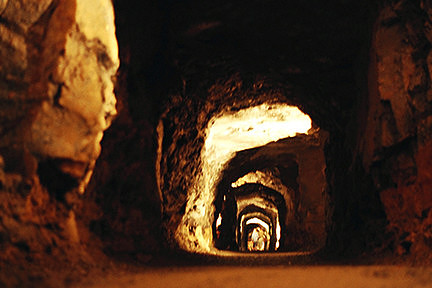
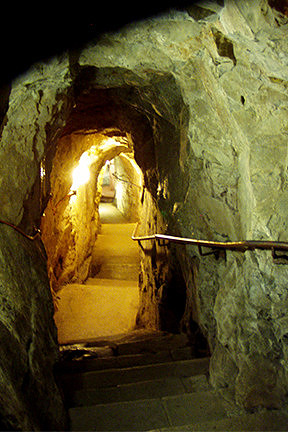
The tunnel was very small and narrow, and the stairs quite steep. I was very thankful to be the only visitor, as I’m not sure what happens when folks are going in opposite directions. The cave itself was small, at least what I was able to see. There were no formations really to speak of. It was a natural cave but had been used as a chapel or holy site during the Romano-British period, in the first few centuries AD.
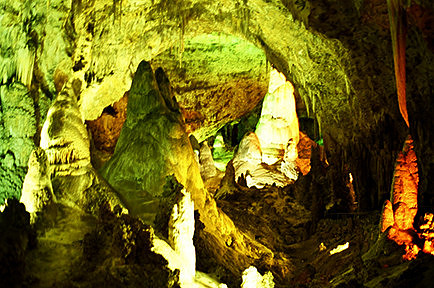
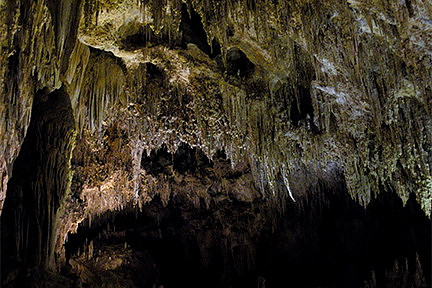
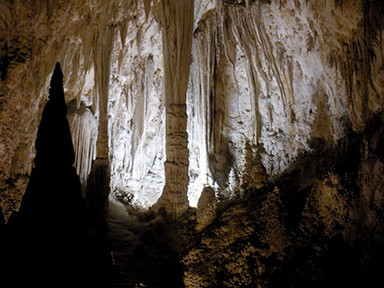
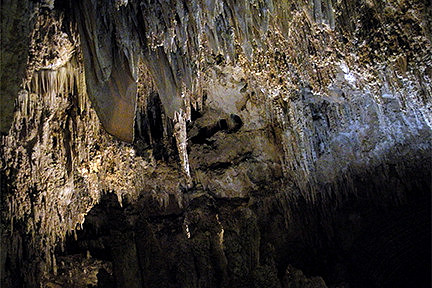
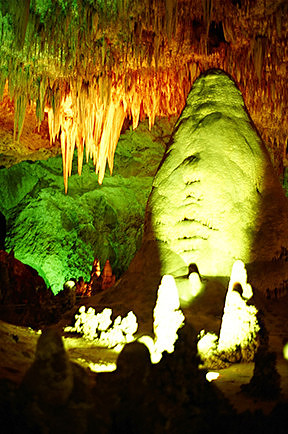
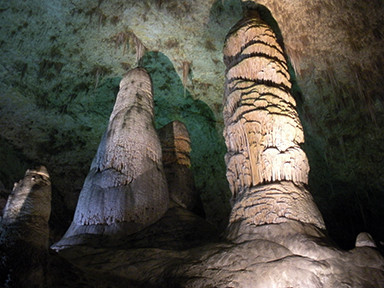
A few years later, I was able to visit a famous show cave on a trip to New Mexico – Carlsbad Caverns. It was the first time since I was a kid that I was able to visit show caves in the US. They were massive and absolutely stunning! I had my film camera but had also borrowed my brother’s digital camera to test it out. I was thinking of getting a new one that was pocketable to take on trips as a backup and also for self-portraits so family and friends could see me in these far flung locations. I was able to do the cavern tour and was shown the King’s Palace, the Papoose Room, the Queen’s Chamber, and the Green Lake Room. After the tour was over, I was able to spend some additional time on my own in the Big Room. The whole experience was fantastic, and I took lots of photos.
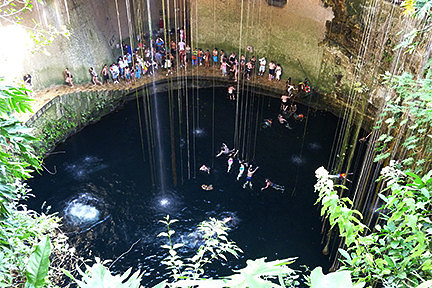
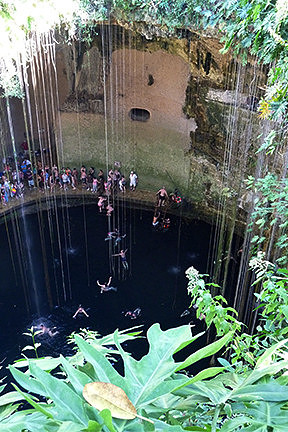
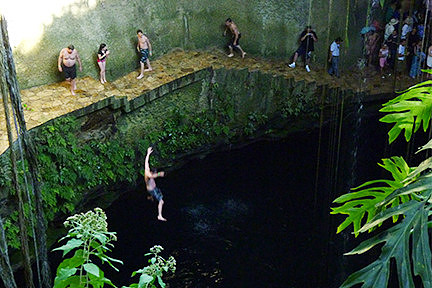
The following year, on my trip through the Panama Canal, I was able to visit Ik-kil Cenote on the Yucatan Peninsula in Mexico. This was a sinkhole, similar to what I’d seen in Puerto Rico. Mexico is famous for its cenotes. Many had been used by ancient peoples for different purposes – burial, sacrifice, the gateway to the underworld, etc. Today, many are used as swimming and diving spots, as the bottoms are full of crystal clear deep water. This particular cenote was located in a resort and was used for swimming. We hadn’t known this would be a stop on our tour to Chitchen Itza, so I didn’t do any swimming. But, I did content myself with taking photos of other tourists jumping in.
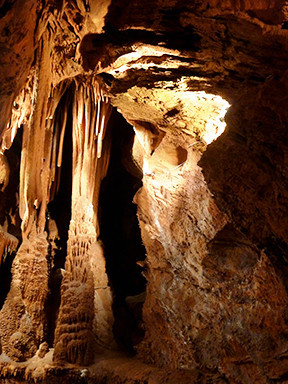
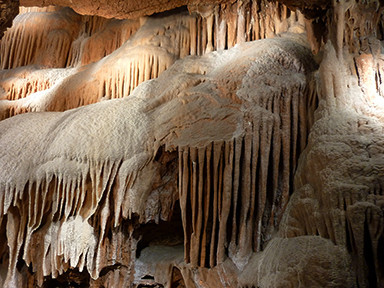
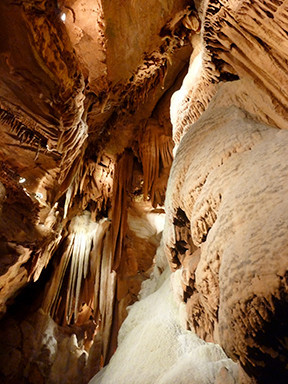
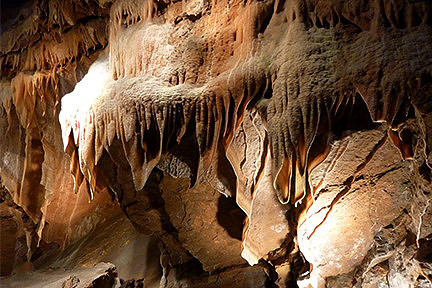
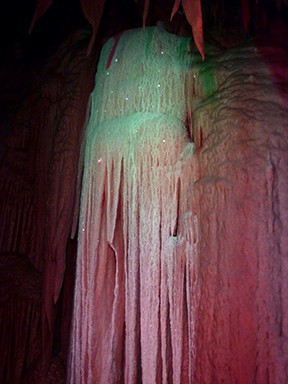
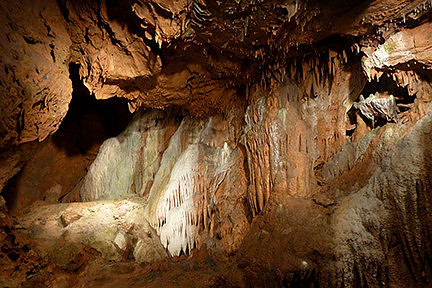
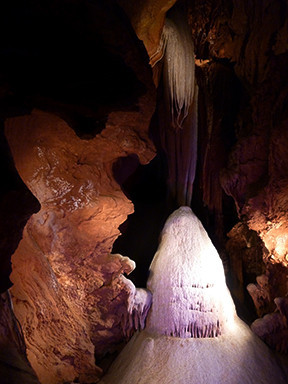
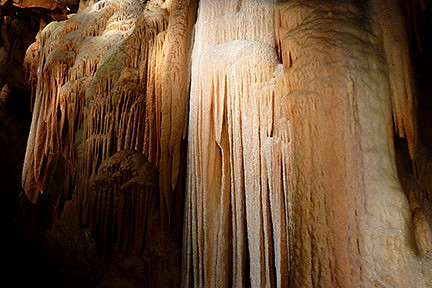
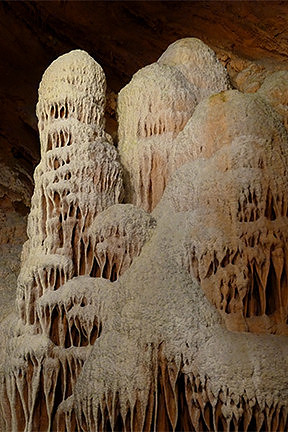
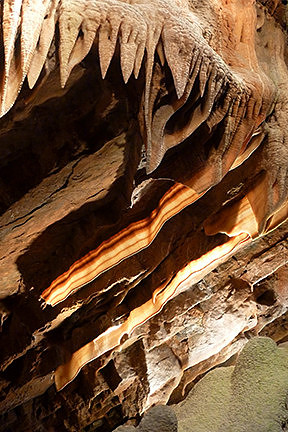
The next winter, I was driving back to Maine with my boyfriend. He had never been caving before, so I made it a point to stop in Virginia on the way. We went to the Endless Caverns first, as they had been my favorite when I was little. Unfortunately, they were closed for the season. We pressed on and soon arrived at Shenandoah Caverns. Luckily, they were open, and we were able to book a tour. The caves were amazingly beautiful, filled with fantastic formations. They had some wonderful examples of cave bacon, my all-time favorite formation. Many of the formations were covered in a rough surface that glittered and sparkled in the lights, adding a magical quality to everything. I was really happy that Bobby’s first caving experience was such a spectacular one. We both enjoyed ourselves immensely.
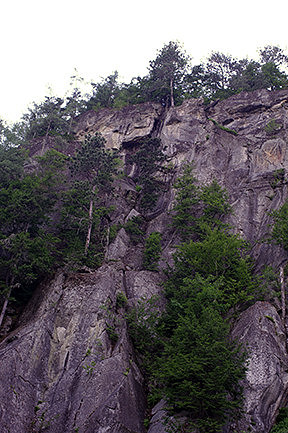
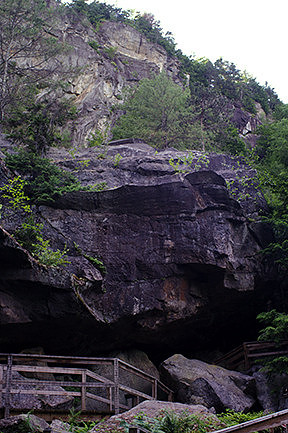
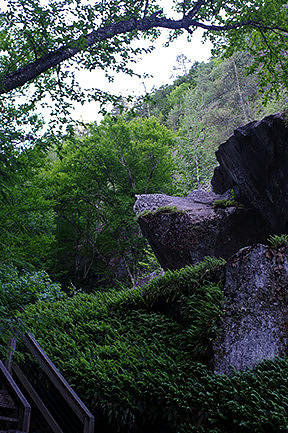
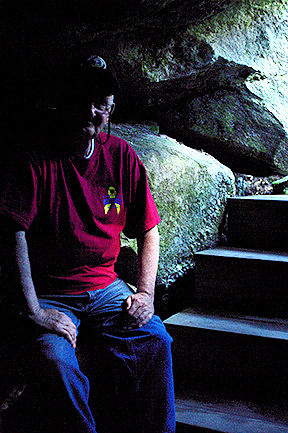
As of writing this, my last cave visit was to the Polar Caves in Rumney, NH with my dad. Unlike all the limestone caves I’d visited so far, these were granite caves. Limestone caves are formed by water and acid eating away at the soft sedimentary layers of the limestone. In contrast, these caves and passages along the base of Hawk’s Cliff were created when the glaciers of the Ice Age left giant granite blocks behind as they melted and retreated north.
So, this wasn’t your typical caving experience. Most of the time, you were scrambling under and over boulders, squeezing between tight spaces, hoping you wouldn’t get stuck or too scared to continue, as there were lots of people right behind you. There were no beautiful rock formations as seen in show caves – stalactites, stalagmites, columns, cave bacon, etc. There were no real photo opportunities either, and I was simply hoping my camera wouldn’t get banged up in the bag. In some ways, this was probably more similar to cave exploration, a ‘true’ caving experience than any other I’d had.
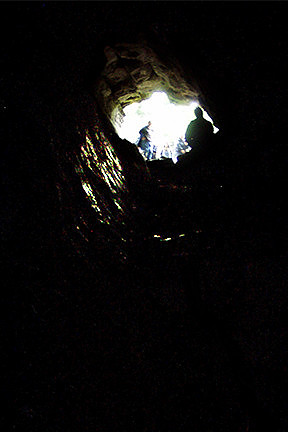
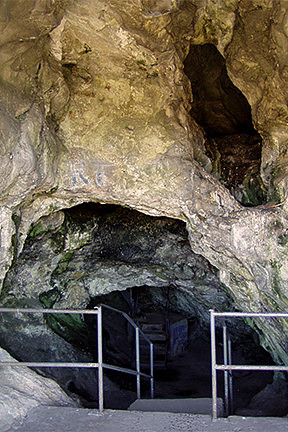
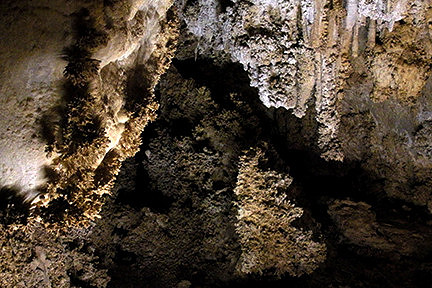
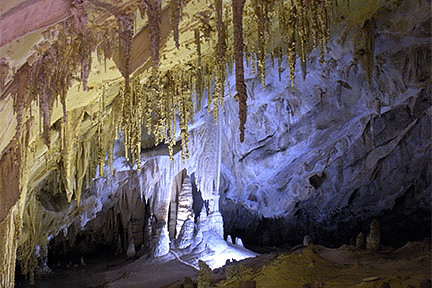
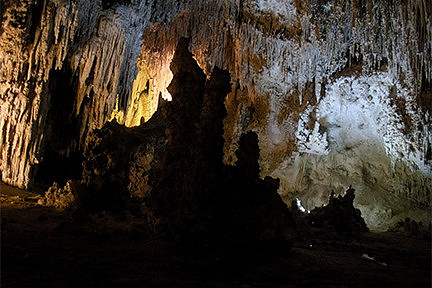
As you’ll have seen from the photos sprinkled throughout, cave photography was not something I was any good at. It is a sub-genre all on its own, very complex and very difficult. It’s not something I’ll ever specialize in, so I don’t expect to really excel at it. Still, part of me is disappointed in the quality of images I have from the majority of my caving experiences. However, I do recognize that I couldn’t have done better at that time in my life. One, I had no tripod, if I even would have been allowed to use it. Two, I had no flash. Caves are dark, even with the added artificial lights along the paths and highlighting the features. Shooting on 100 or 200 speed film would have meant needing a very long exposure for enough light to even make an image. Without a tripod, even propped on the floor or a banister, the resulting photos would have come out blurry, no matter what. I just didn’t have the resources or equipment to get fantastic images. And, honestly, that’s ok. I still have the memories, the love of the experience, the blurry photos to remind me of it all and to teach me how to do better in the future. As I mentioned, I haven’t been able to visit any other caves since that final one with my dad. However, I’m sure it won’t be my last. I’ll always look for the opportunity to visit caves in the future. And, I’ll always try to capture the experience with my camera, if possible. As technology progresses, I believe that will become easier to do, and I look forward to those images. Even more importantly, however, I look forward to those experiences. ~ ~ ~ ~ ~ ~ ~ ~ Click here to see some higher quality cave photos. |