Practicing Animal Photography at Stone Zoo
July 14, 2018
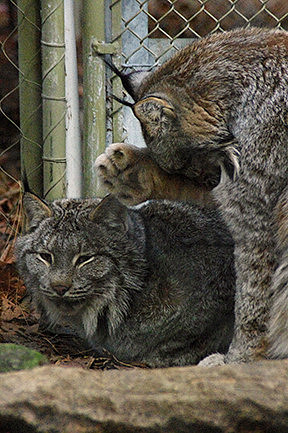
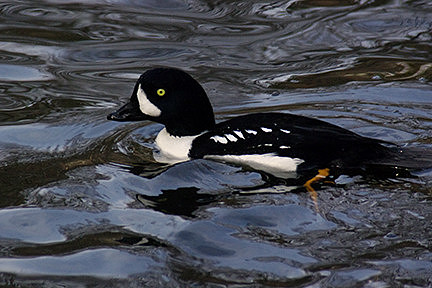
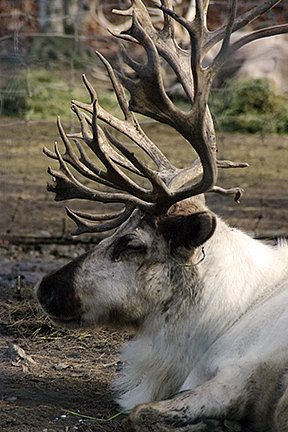
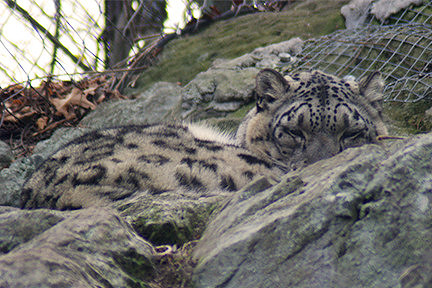
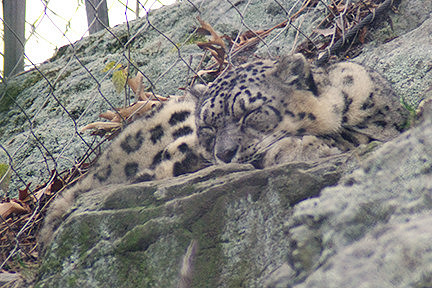
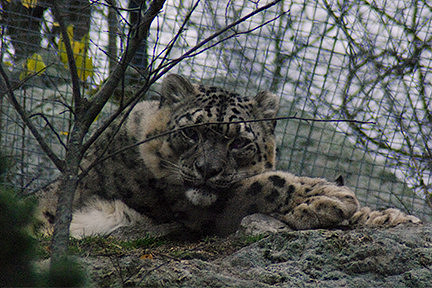
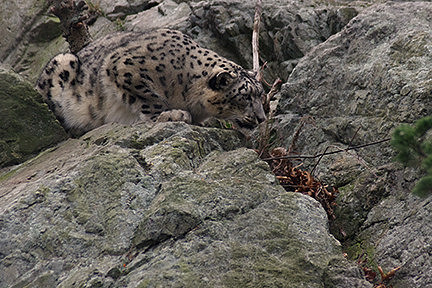
Not long after returning from my trip to the Himalayas in 2015, I was informed that there was a zoo in the Boston area with Snow Leopards. I couldn’t believe it! How had I not known all this time that there were Snow Leopards so close to me? I don’t drive well in big cities with lots of traffic, so it wasn’t until December of that year before I finally made it down there to check it out. I figured I’d wait until cooler weather so the tourists wouldn’t be adding to the traffic and hopefully the snow leopards would be more comfortable and active. When I arrived at the zoo in Stoneham, Mass, it wasn’t terribly busy, so that made it even better. I followed the map and signs, spending a little bit of time photographing the Lynx, waterfowl, and Reindeer before making it to the Snow Leopard exhibit. There were two adult cats lounging atop the rock cliff. They were absolutely gorgeous! I was over the moon to see them. However, they were curled up, attempting to sleep, partially hidden from view.
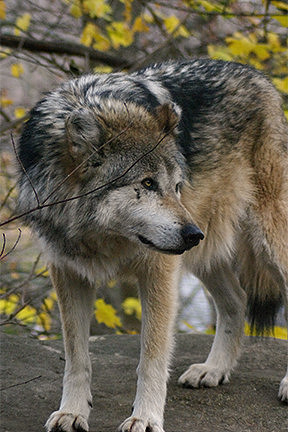
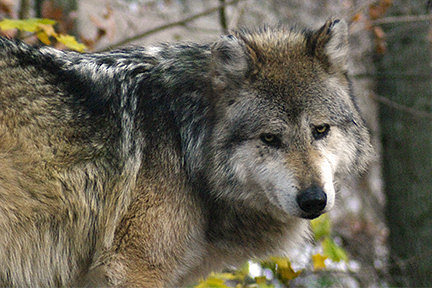
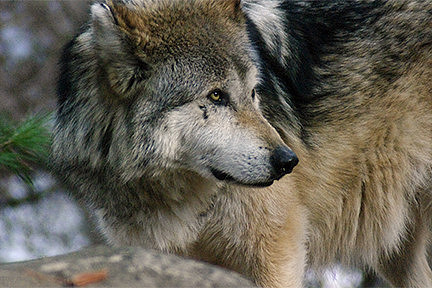
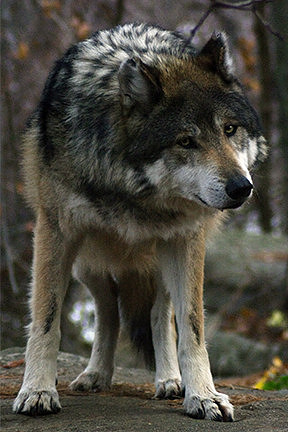
After 20 minutes, I decided to continue on and see some of the other animals. I was hoping to get some good photos and practice, and that when I came back, maybe the Snow Leopards would be up and moving about. I spent the next half-hour photographing the pack of Mexican Gray Wolves nearby. That was a lot of fun, though very difficult. Whenever any of the wolves were in a good spot, they were moving constantly, and they only paused when they were in a bad spot, photographically speaking.
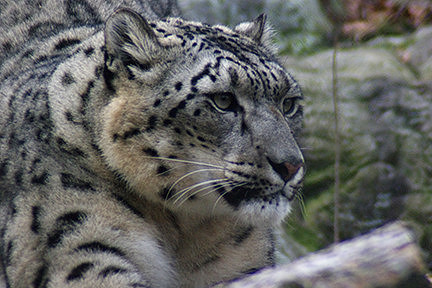
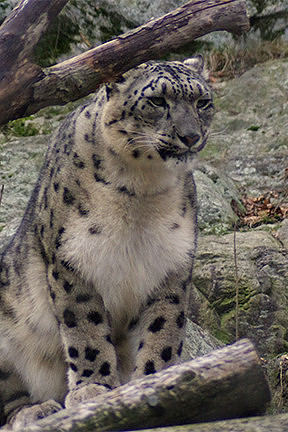
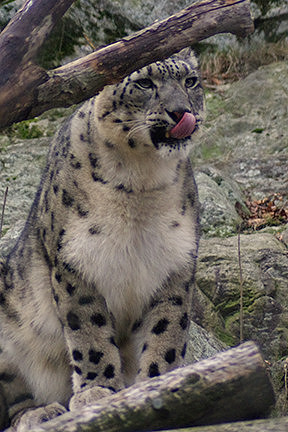
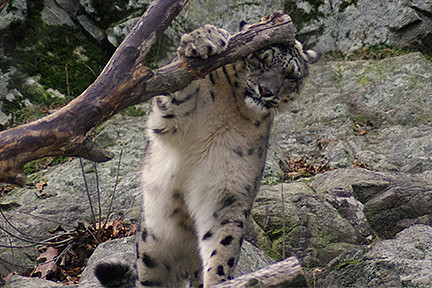
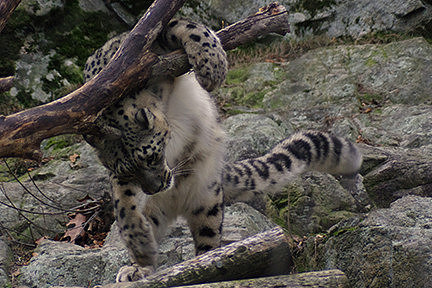
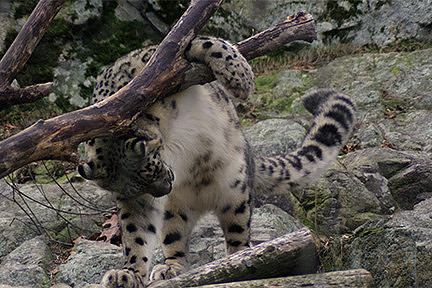
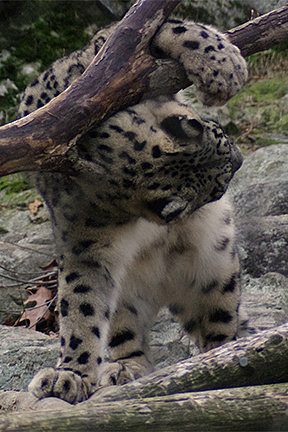
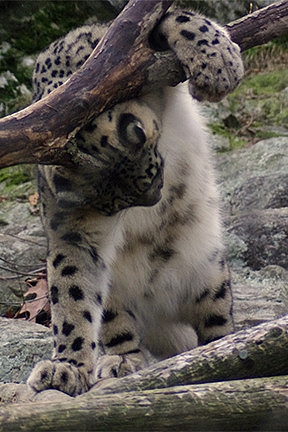
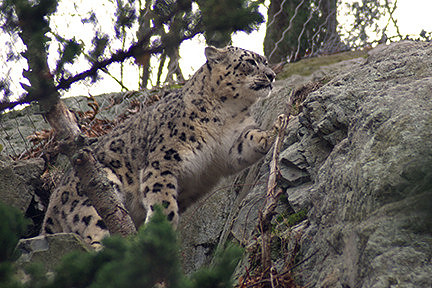
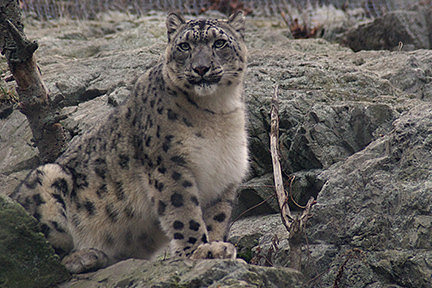
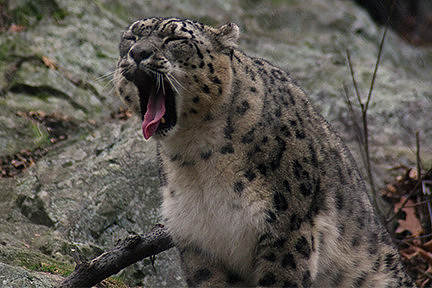
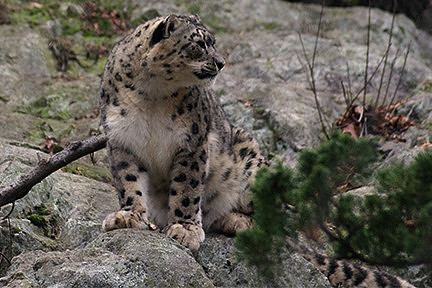
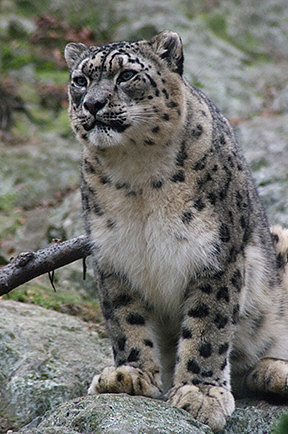
The wolf enclosure was at the end of the line, so I had to go back past the Snow Leopards to get to the rest of the zoo. Consequently, I was going to check in on them in case anything had changed, even though it hadn’t been very long. Much to my delight, one of them was awake and moving about the lower area of the enclosure! I went crazy taking photos. I’m not sure if this was the older male or the younger female, but I’ll say she for now. Whenever she was right next to the fence, the photos were terrible, but I was giddy, as she was so close I could have leaned over and touched her! I got my best photos when she was farther back, however. The viewing area was close enough to the fence that when she was back a few feet, the fence disappeared because of the narrow depth of field of the big lens. It was as if there was nothing at all between us. I spent some time trying out different focal lengths, experimenting with how close the portraits should be, how much her head should fill the frame as opposed to having more of her body in the shot, and where she should be posed within the frame for the best composition.
At this point in time, I was still so new to animal photography that I really needed to practice it all. Being a landscape photographer rather than a people photographer meant I was at a disadvantage. I didn’t know what lighting, angles, positions looked best, how much to zoom in, where it was ok to cut off body parts and where it wasn’t, how to best capture emotion or behavior, any of it. Not to mention practicing manual focus and exposure in a faster situation than was usually necessary of a landscape. Additionally, I was limited because of this being a zoo. If I zoomed out too much to show more of the body or environment, you might start to see the fencing due to the larger depth-of-field at wider focal lengths. Or, you might see some of the non-natural features inside the enclosure – poles, platforms, toys, etc.
It made it all very difficult but worthwhile. I was just so happy to see her so close, moving about, having the chance to get good photos (hopefully). I was still feeling some regret over my lack of photos of the Snow Leopards in India, and how tiny and out of focus they’d been in the ones other people took of them with my camera. This opportunity would sort of make up for that. The other Snow Leopard soon came down as well. They became playful, ambushing each other, and generally just getting along and having fun. Then, they both decided play time was over and climbed back up to the top of the rocks, perched there above the cliff face, surveying their world. It wasn’t long before they were both curled up and falling asleep once more.
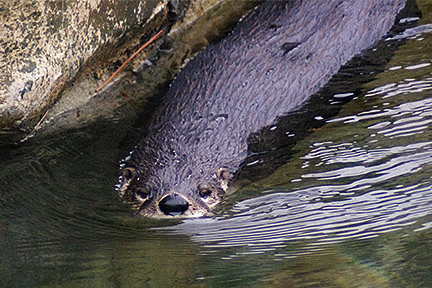
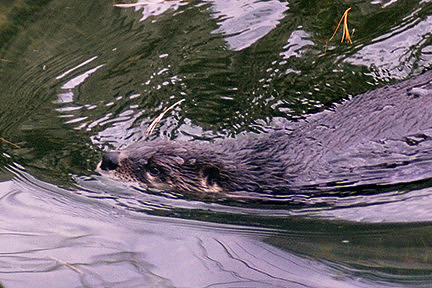
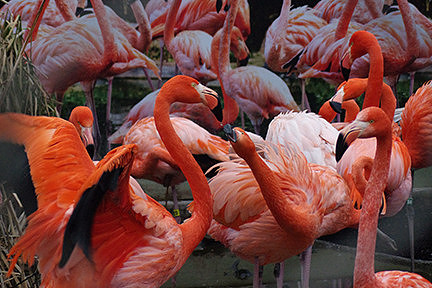
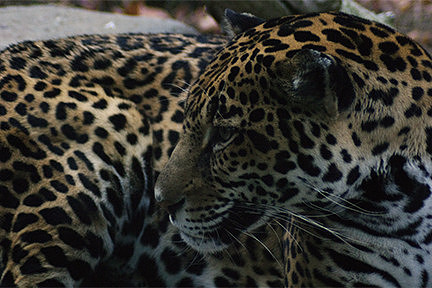
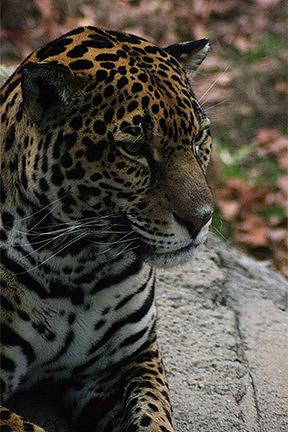
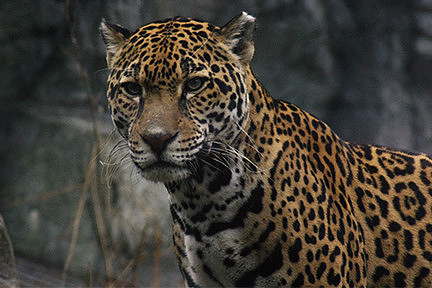
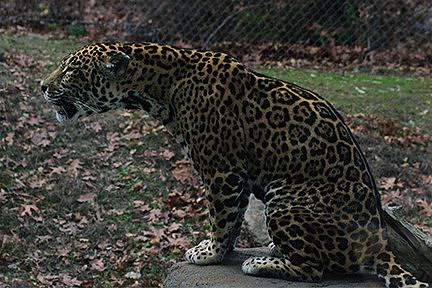
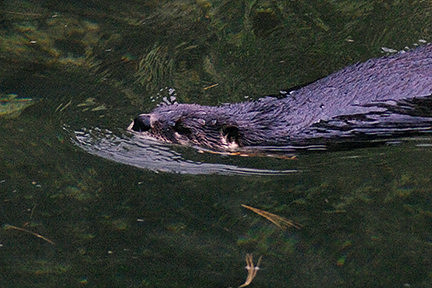
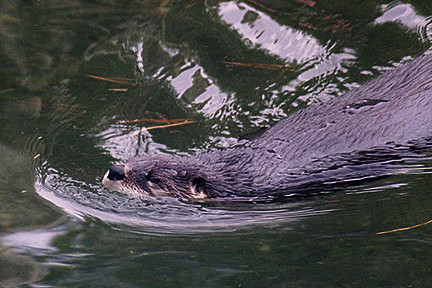
I left them to their nap and went to explore the rest of the zoo. I spent some time photographing the River Otters and Flamingos before visiting some other large cats. First, there was the Jaguar. He was behind glass, rather than a chain-link fence. It was more difficult to get photos in some ways due to the scratches and dirtiness of the glass combined with reflections. I had to be very close and in just the right position so none of those things would affect my images. His enclosure was also very small, so once he moved away from the glass, the fence in back became visible in all the shots.
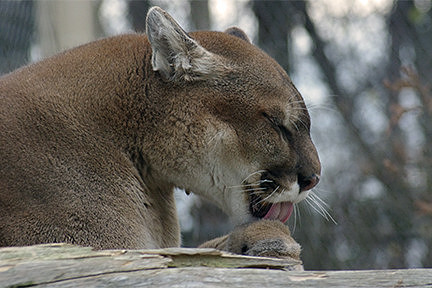
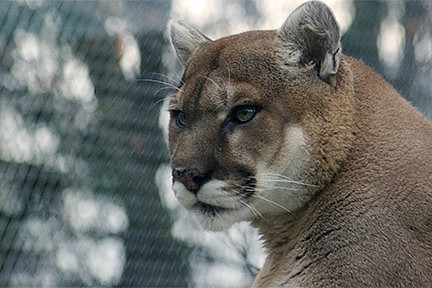
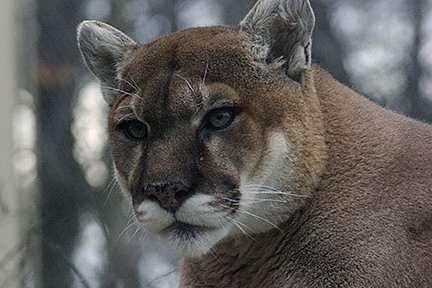
Next, I was on to the Mountain Lion. Like with the Jaguar, the viewing area was using glass instead of chain-link fencing. The Cougar was lying down on a platform a bit further back. The glass was at an odd angle, so I had not only the fence in the background of most of the shots, but also a reflection of the sky in the glass in the foreground. The photos were definitely not ideal, but they still gave me practice with focusing, exposure, and composition. It was definitely worthwhile taking photos, even knowing none of them would be fantastic.
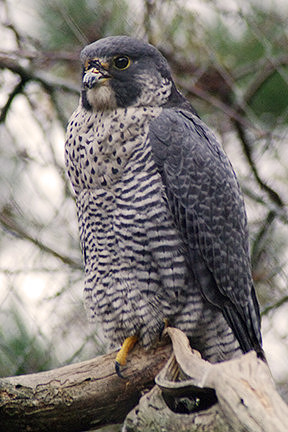
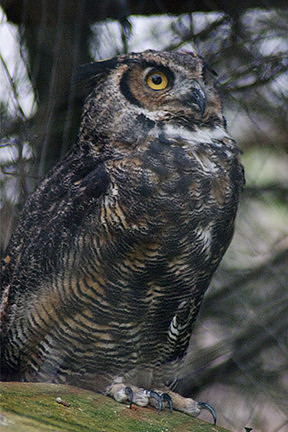
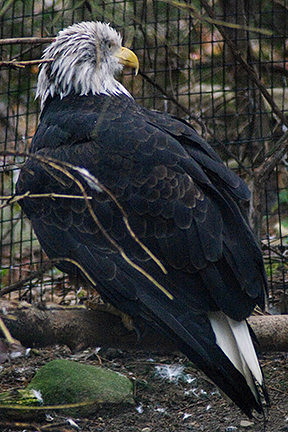
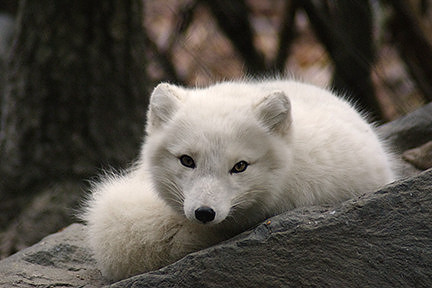
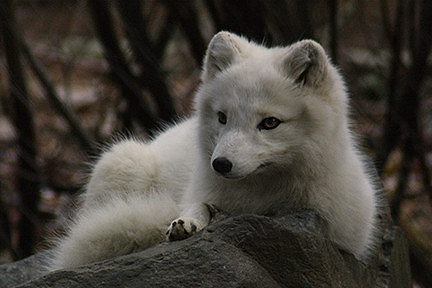
After taking a quick peek at the bears and some of the different birds of prey, I spent some time with the Arctic Foxes. Only one of them was out, curled up on a rock. The other was in their den. The one who was out was alert, watching me and occasionally looking around at other animals that caught his attention. I didn’t stay long with him, wanting to let him rest. He was quite close to the walkway, and I felt a little too much like I was disturbing him.
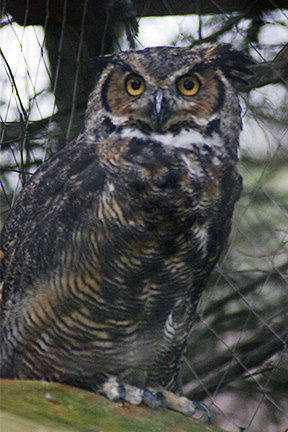
I made it back to the Snow Leopard enclosure an hour after leaving it. By this point, it was just about 4pm, and the sun would be setting shortly. The cats were out and about once more, but I was only able to stay a couple of minutes. I took what photos I could, then said my goodbyes. I took a few more photos of the foxes on my way back through. The second one had appeared, and the first was more alert. Likely, it was approaching feeding time, so all the animals were becoming more active.
I was back at my jeep, ready for the two-hour drive home a few minutes later. Looking back at the photos now, it’s painfully obvious how inadequate that camera was and how poor quality those images were. I was using my Pentax K-7. It’s a great camera, and still the one I use for the majority of my landscape images. However, it’s an old camera in the digital world. It came out in 2009 and only had the same ISO capabilities you could have with film – 100, 200, 400, 800, 1600, and 3200. This meant it didn’t have great low-light performance. It was a dull overcast winter’s afternoon that day, so the light had already been pretty dim. Then, many of the animal enclosures were even darker with trees, buildings, or a rock cliff blocking out the light. I was also using a long lens that wasn’t particularly fast, so I was maxed out at 3200 ISO and still struggling to get enough light to properly expose the images. Many of the shots are underexposed. Many are blurry, either due to missed focus, a soft lens, or too slow a shutter speed. Almost all are very grainy. Yet, I value each and every one of those photographs. They all provided great learning experiences and better understanding of wildlife photography. They helped me understand the technical aspects, learn the limitations of the equipment, and start to develop my creative eye when photographing animals. And, above all else, they’re wonderful memories of a great day out at a zoo where conservation is one of the highest priorities.
I will never regret going to Stone Zoo that day and getting the photos I did. My ticket purchases contributed directly to help preserve all of those amazing species. I’ve returned many times since, sometimes solely for Snow Leopards, sometimes for other animals. Since that first visit, the older male was moved to a new zoo, and a young male was brought in. Stone Zoo is part of a breeding program as part of the conservation efforts for Snow Leopards. They hadn’t had any luck and thought it likely due to some of his health issues. After bringing in the new male, the pair successfully mated. Two female cubs were born in May of 2018, but that is a story for another day. |